



As part of our commitment to our guests, we are continually exploring new safari lodges and partners throughout Southern and Eastern Africa. We make it a priority to experience select properties in the field ourselves, alongside insights from trusted industry partners, to ensure they align with our standards in guiding, hospitality, conservation, and overall guest experience before we recommend them. This marks the beginning of our “Behind the Safari: Lodge Review Series,”...
Lodge ReviewBehind the Safari: Return Africa Pafuri Tented Camp
Posted by Margaux on Fri September 25, 2026 in Lodge Review.
Tucked into the northern reaches of Kruger National Park, on the banks of the Luvuvhu River, Return Africa Pafuri Tented Camp offers a very different kind of South African safari. Located in the remote Makuleke region of northern Kruger, this solar-powered tented camp is particularly appealing to travellers interested in birding, walking safaris, photography, landscapes and a quieter wilderness experience.
This visit was a particularly special one for me. My dad invited me to join him on his holiday, and I was very happy to accept. I’ve spent time in this part of Kruger before, including helping train guiding students here, but returning with him gave me the chance to experience this familiar wilderness in a very different way.
It also gave me the opportunity to experience Pafuri first-hand as a guest and to consider what makes this part of Kruger such a distinctive choice for a safari.
Returning to a familiar wilderness
The Makuleke region holds a particular place in my own guiding journey. I have spent time here before, including helping with the training of guiding students at EcoTraining, so returning brought back plenty of memories.
This time, though, I wasn't here to train or to guide guests. I was here to enjoy a holiday with my dad, to walk, explore, bird, photograph and simply spend time in the bush together. Having known this landscape through my work, it was refreshing to experience it at a slower pace and notice the things you sometimes miss when you are focused on looking after someone else.
A camp shaped by the river
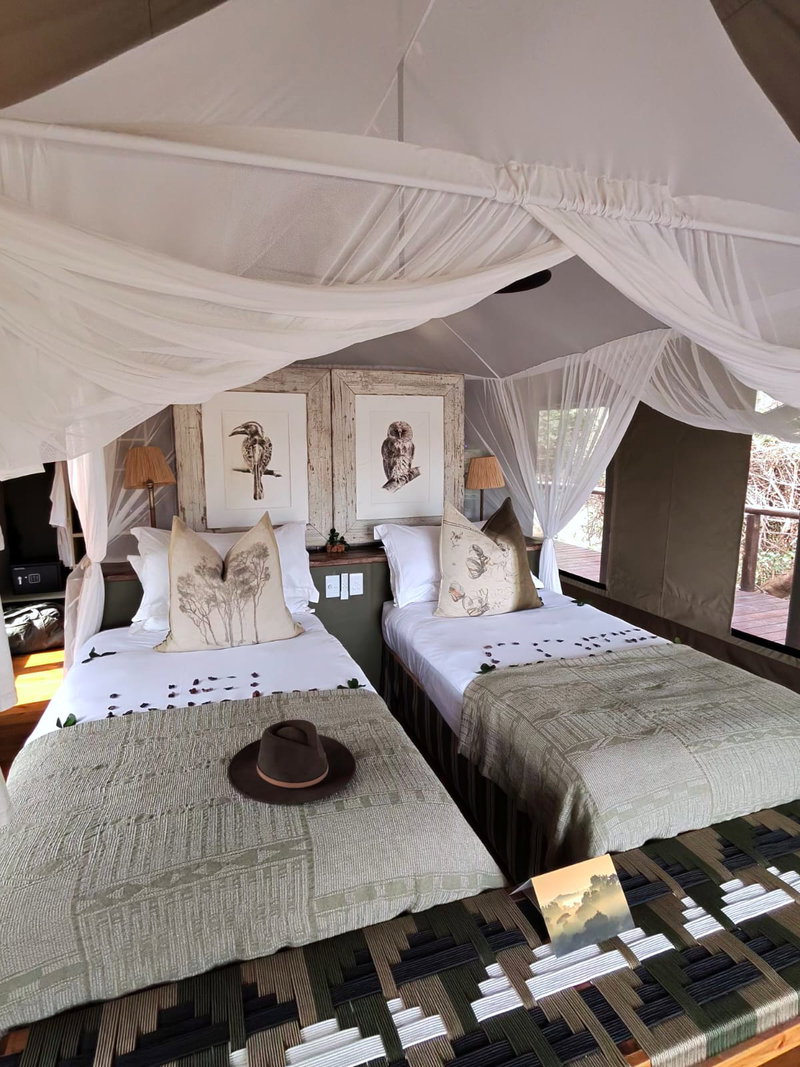
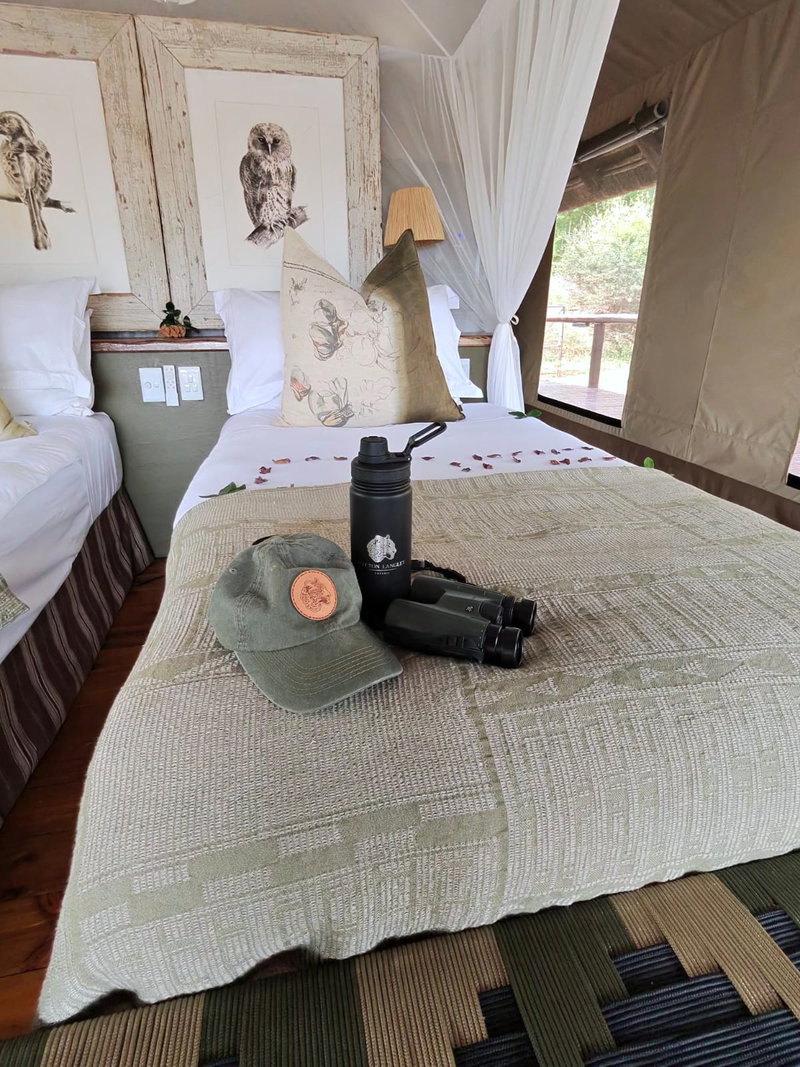
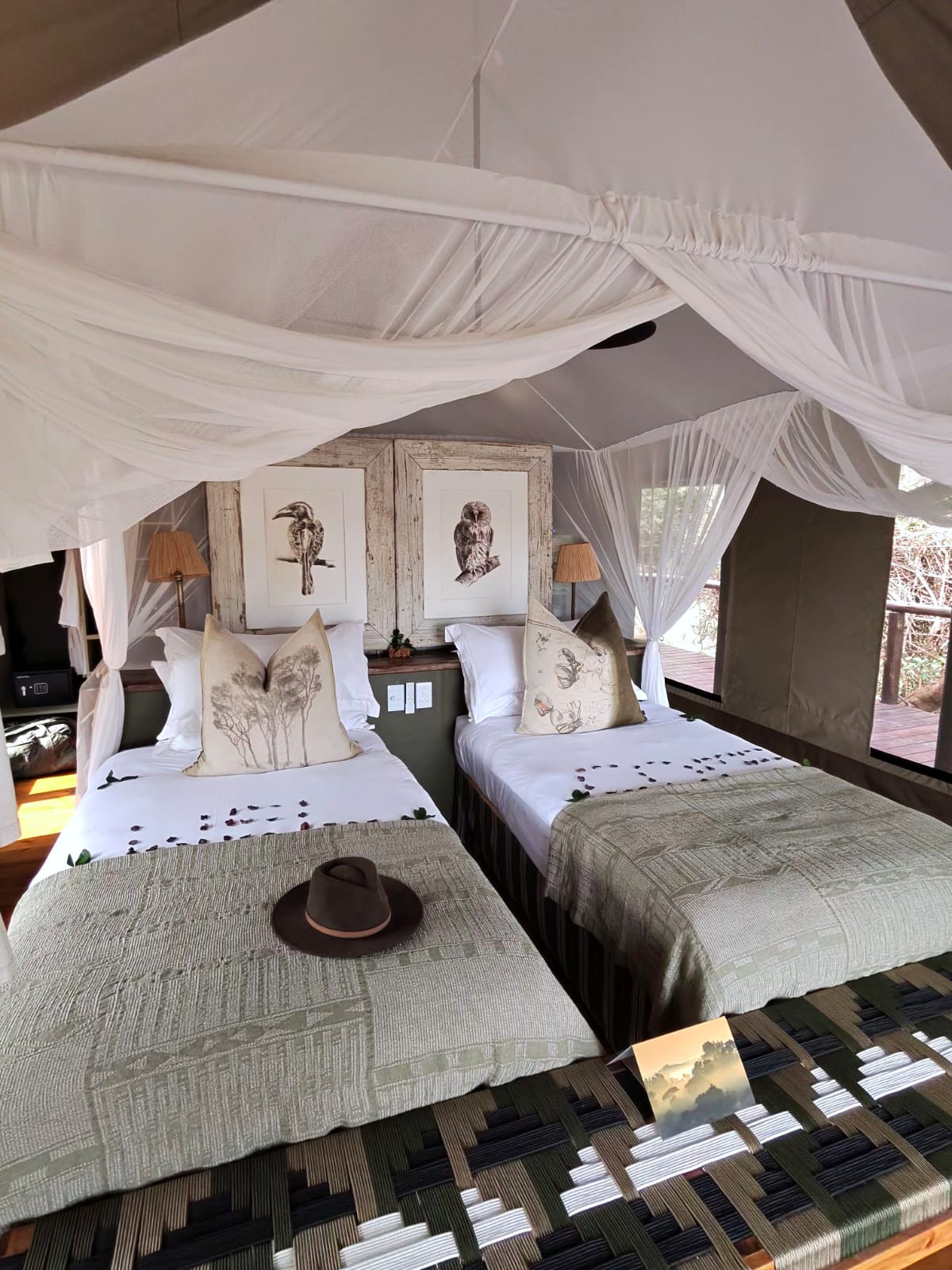 Above: The tented suite of Return Africa Pafuri Tented Camp
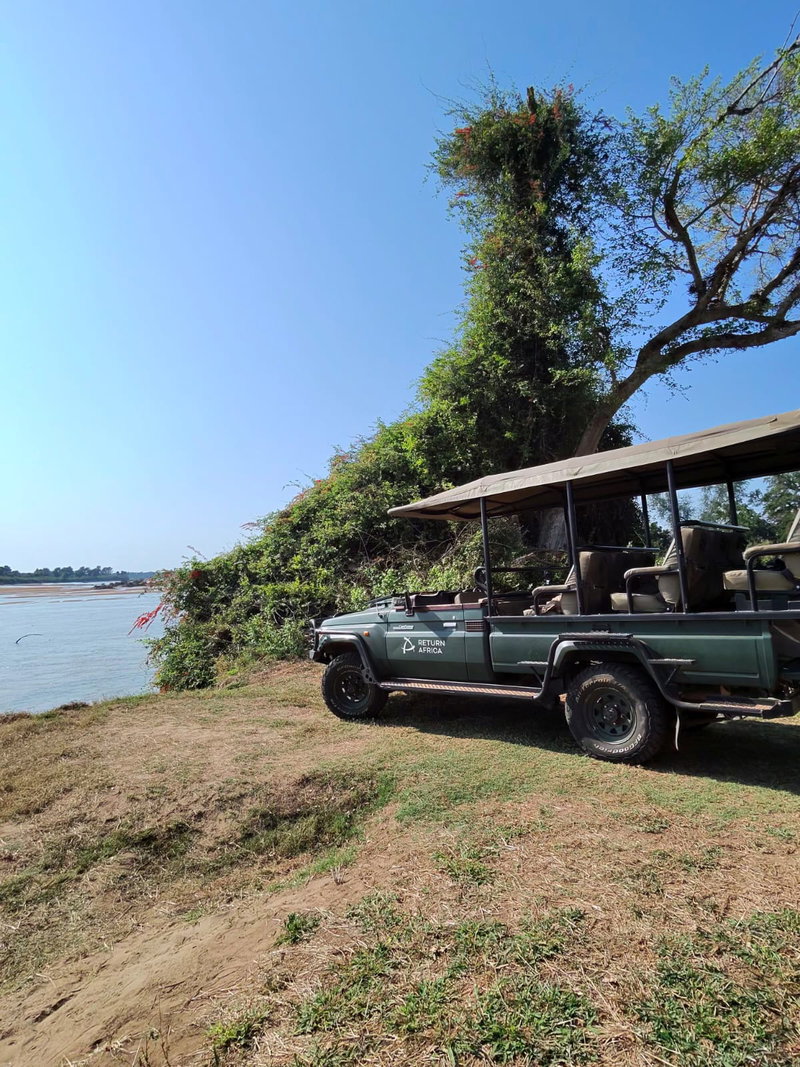
Pafuri is a solar-powered tented camp set along the Luvuvhu River, and the river is very much part of its character.
The camp had a challenging start to 2026. A major flood in January caused significant damage to the river-facing section of the camp, and just as rebuilding was underway, the Luvuvhu flooded again in March, causing further damage. Pafuri reopened to guests on 1 June, with some finishing work still continuing when we visited.
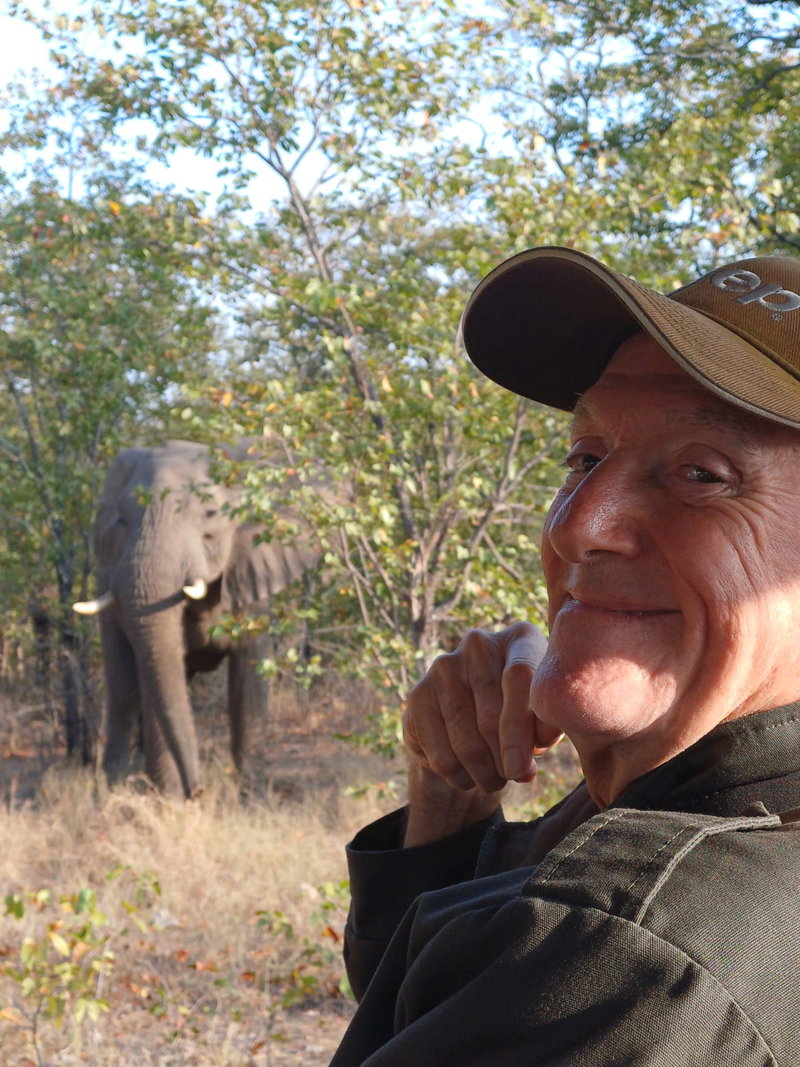
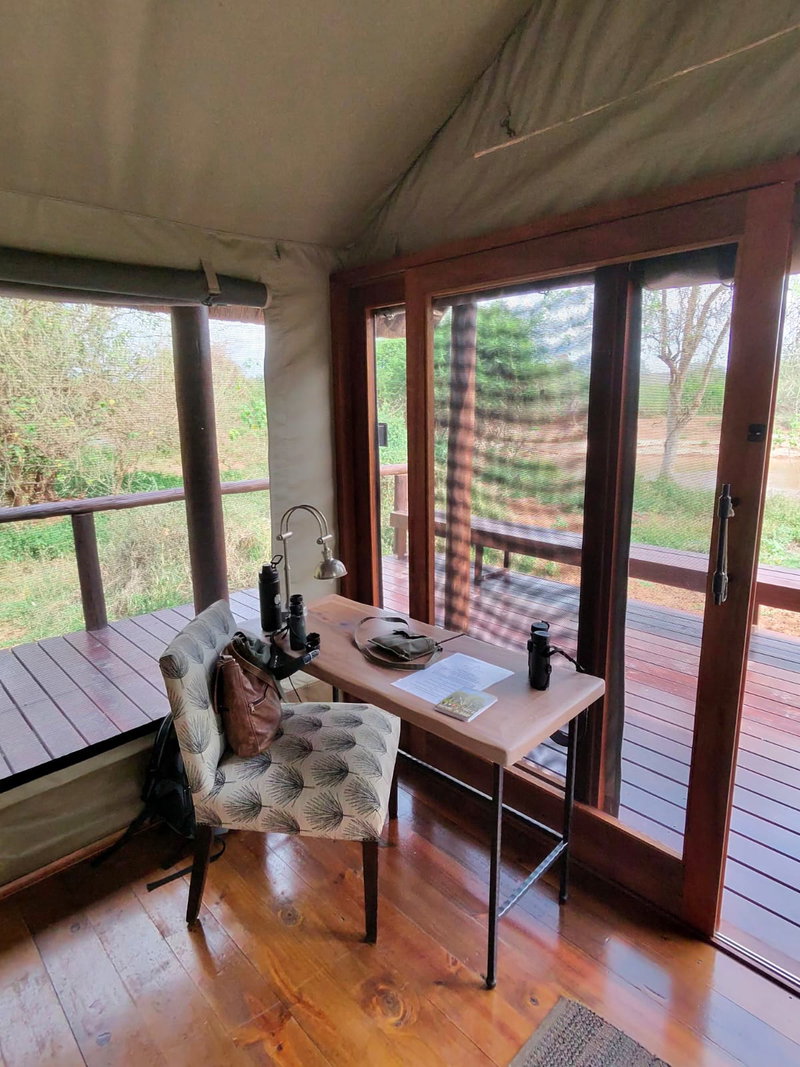
Our newly built tent was already complete and beautifully positioned overlooking the river. The accommodation is spacious and thoughtfully spread along the riverbank, with extensive walkways connecting the tents and allowing you to move through the bush rather than simply from building to building. On our first day, we encountered an elephant bull, who had meandered inside the unfenced camp perimeter and who peacefully browsed on the Nyala trees on the pathway to our tent.
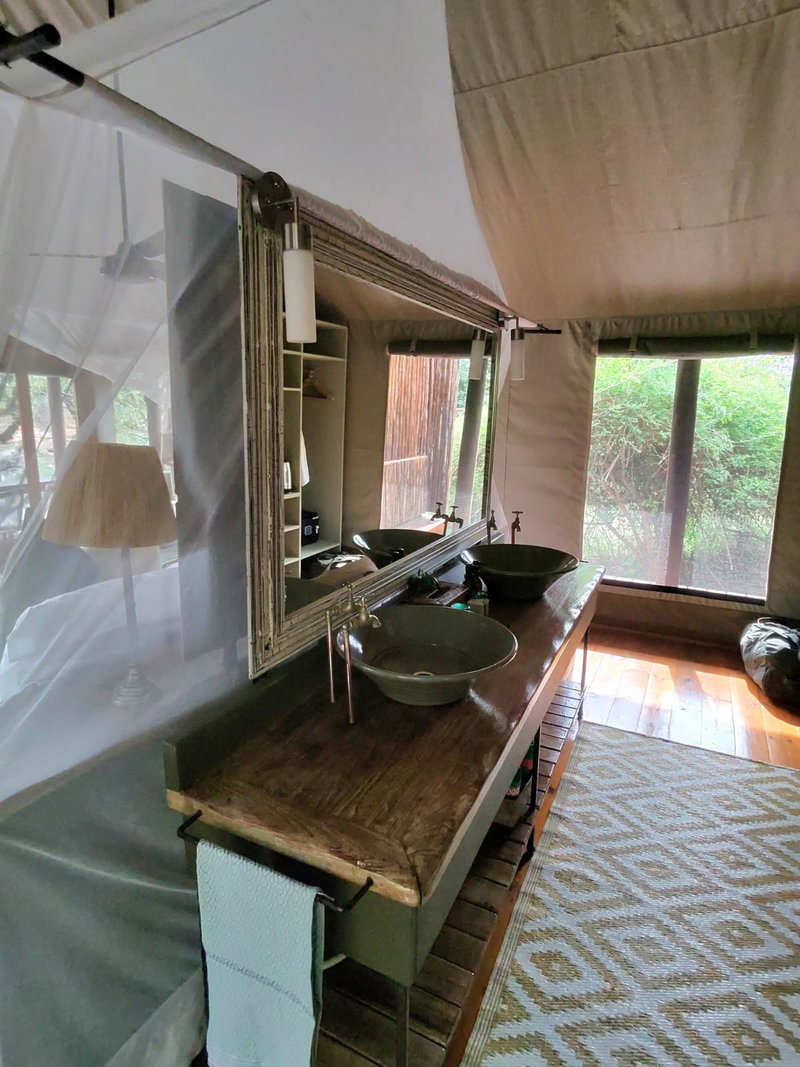
Each tent has its own outdoor seating area overlooking the river, a lovely place to sit quietly with a morning coffee or watch the changing light across the water. Inside, the décor is light and understated, with white and soft green tones that sit comfortably within the surrounding wilderness. The bed is covered and mosquito-netted, with a ceiling fan above, while the bathroom has a double basin, flush toilet and both an indoor and outdoor shower.
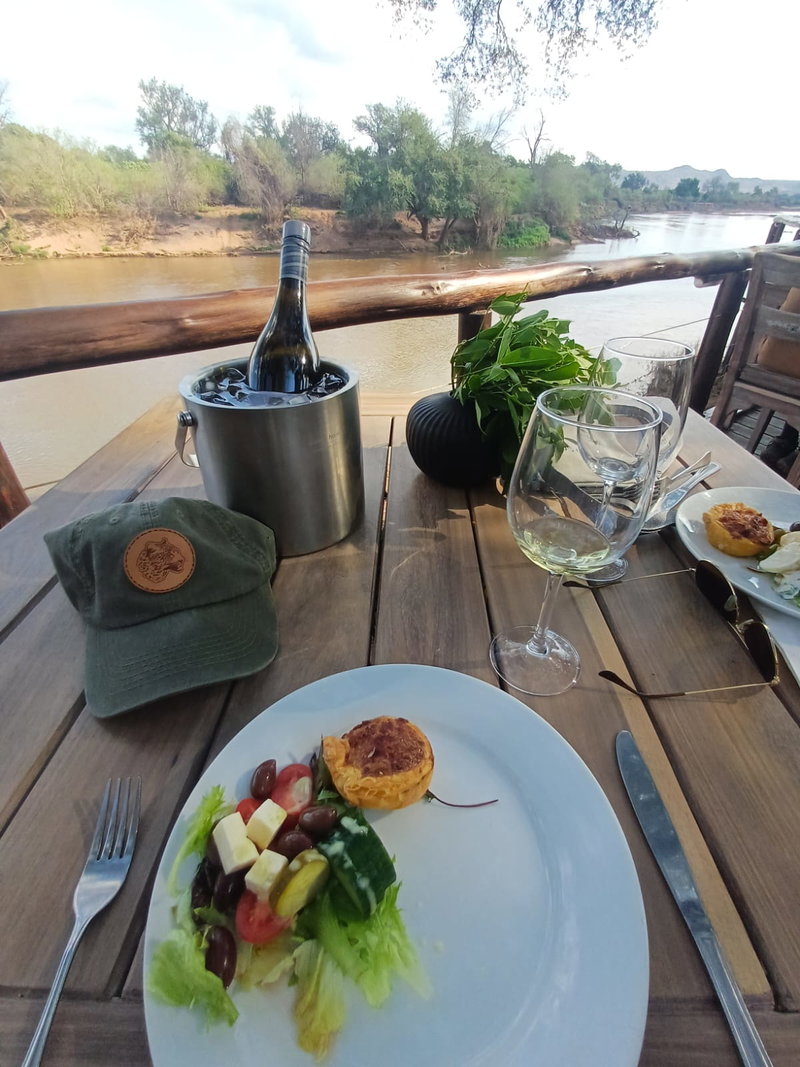
The main camp area is still undergoing some alterations, but the heart of it is already very inviting. An expansive deck beneath a magnificent, sprawling Jackalberry tree serves as the gathering place for meals and relaxed evenings around the fireplace. There is something particularly special about dining beneath the tree, with the river and bush providing the backdrop.
And when the Lowveld heat starts to build, the swimming pool and surrounding deck chairs offer a welcome place to cool off and slow down. After a morning of exploring, finding a shady spot beside the pool is a rather easy way to spend an afternoon.
During the day, African Fish Eagles called overhead beneath brilliant blue skies. At night, the whooping calls of hyenas carried through the darkness. It is the sort of place where the sounds of the bush become part of your stay, rather than simply background noise.
There is also a wonderful feeling of space here. You are a long way from the busier wildlife areas of southern Kruger, and the experience feels exploratory rather than programmed.
Birding at Pafuri: A Northern Kruger Paradise
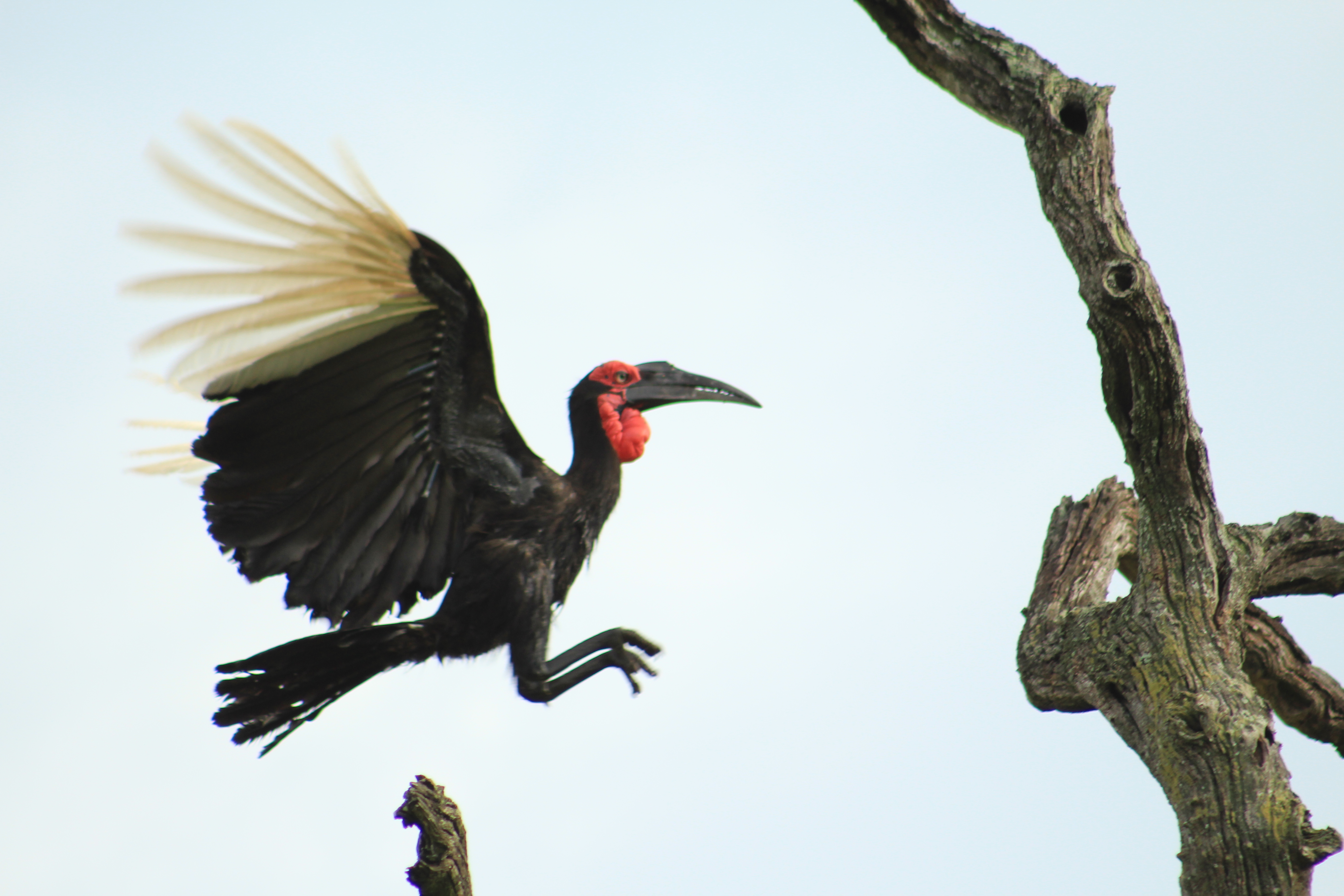 Above: A Southern Ground Hornbill coming in to perch
If you are a keen birder, Pafuri deserves your attention.
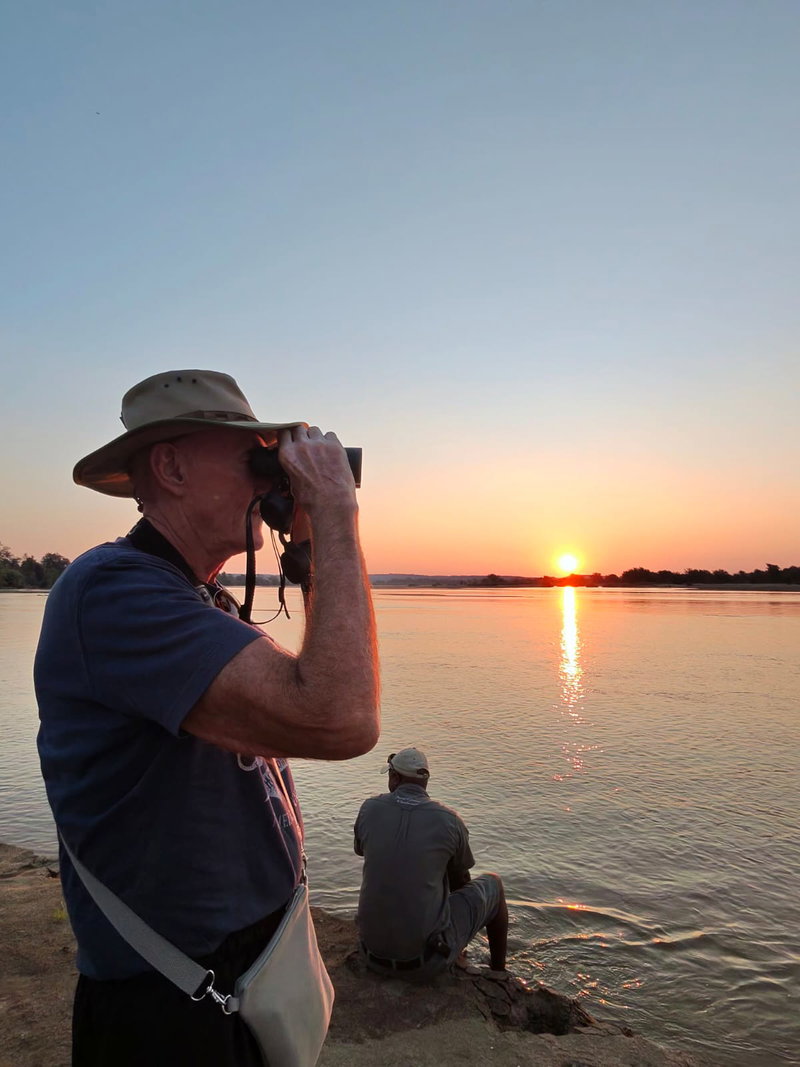
The area is exceptionally diverse, and our guide, Andile, was excellent. He had incredibly sharp eyes and an impressive depth of knowledge, spotting and identifying birds that I would easily have missed.
Over our time here, we casually recorded more than 135 species, including Black-throated Wattle-eye, Böhm’s Spinetail, Meves’s Starling and Lemon-breasted Canary. Hopefully next time, we will be able to get a glimpse of the Pel's Fishing Owl.
And this is one of those places where having a knowledgeable guide makes a significant difference. You are not simply driving around looking for large mammals. There is an enormous amount happening at a much smaller scale, from birds and insects to tracks, plants and the subtle signs of animal activity.
For photographers, too, the appeal extends beyond wildlife. The light, riverine landscapes and dramatic geology provide a very different photographic canvas from the open savannahs more commonly associated with safari.
This is wilderness, not a wildlife theme park
One of the most important things to understand about Pafuri is that this is not southern Kruger.
The game density here is not as high, and if your primary objective is to see large numbers of animals on every game drive, there are other areas of Kruger and the private reserves that may suit you better.
But that is not necessarily the point.
Pafuri is about slowing down and exploring. There are elephants, Cape buffalo, Common Eland, baboons, monkeys, nyala, impala and zebra, along with some wonderful smaller sightings such as large-spotted genets and Yellow-spotted Hyrax.
We had some excellent wildlife encounters, but what stayed with me was the variety of experiences between the sightings.
This is a part of Kruger where you can spend time looking at the landscape, following tracks, stopping for birds or simply appreciating the enormous sense of wilderness around you.
And importantly, it is a wonderful area to explore on foot.
Walking Safaris in Pafuri and Northern Kruger
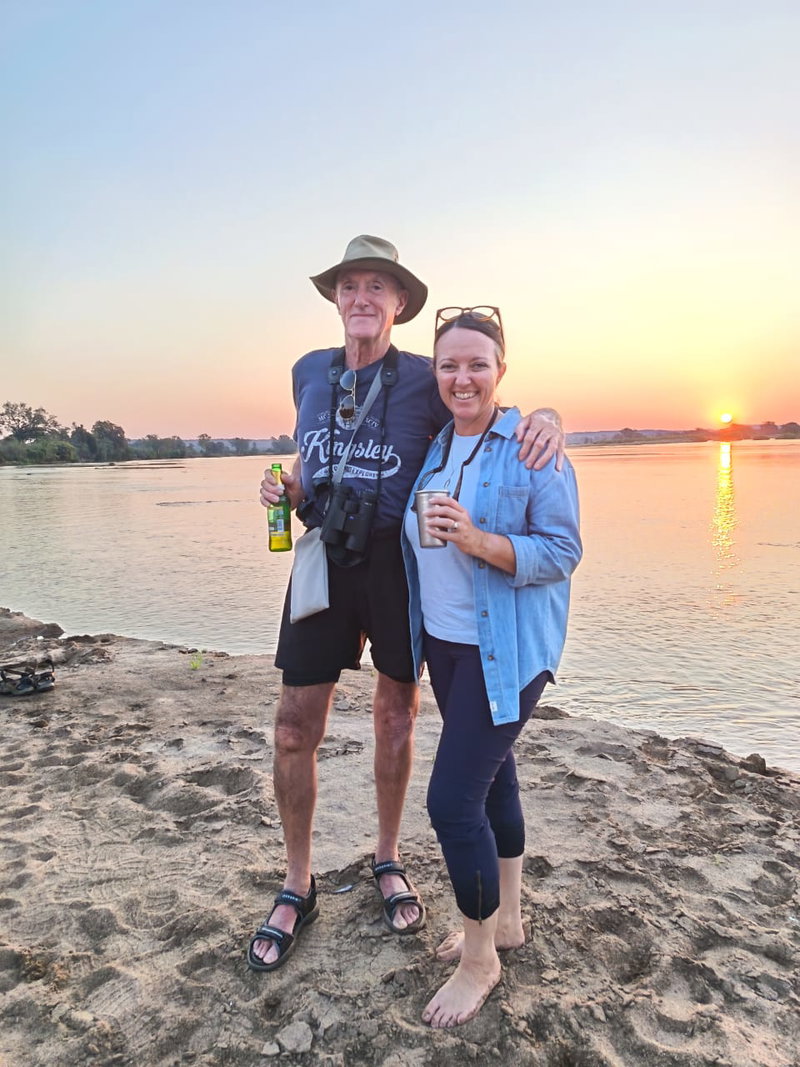
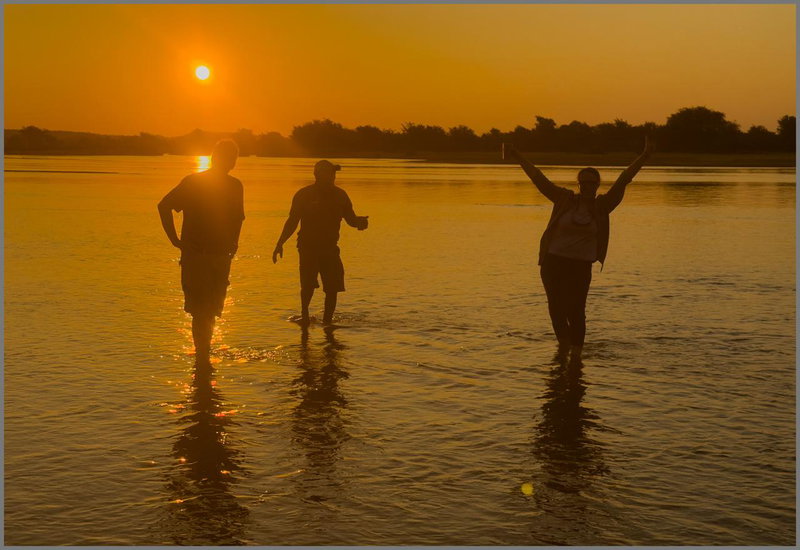
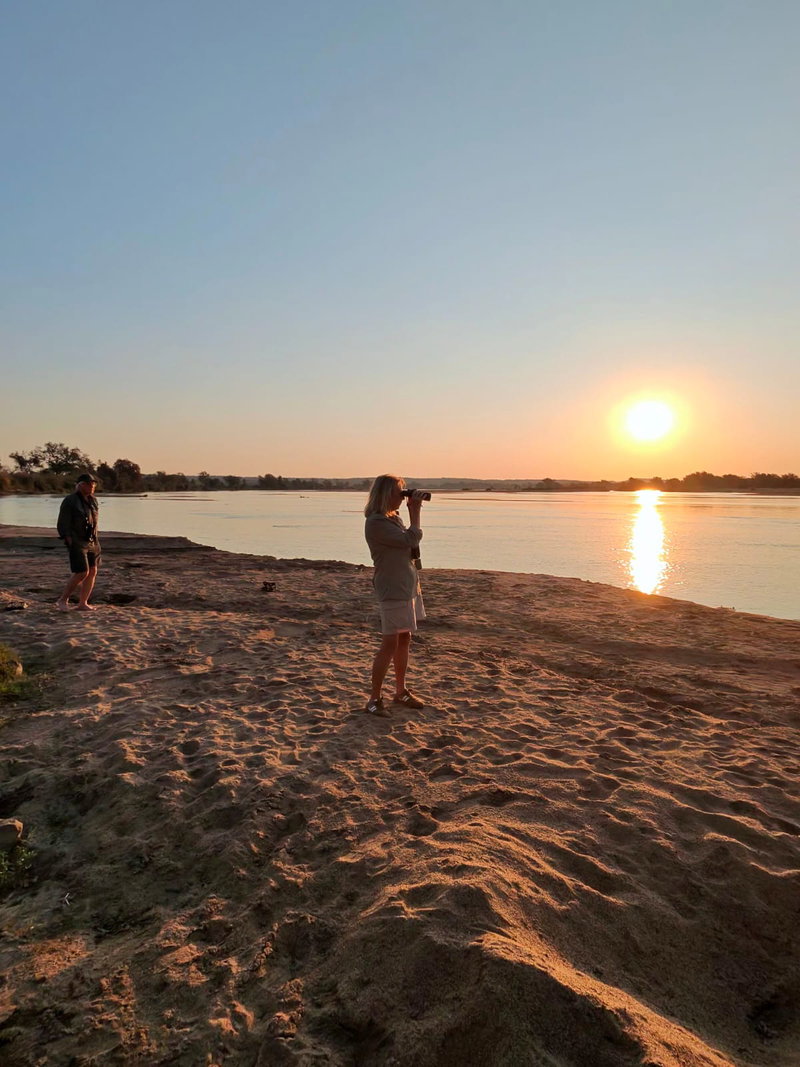
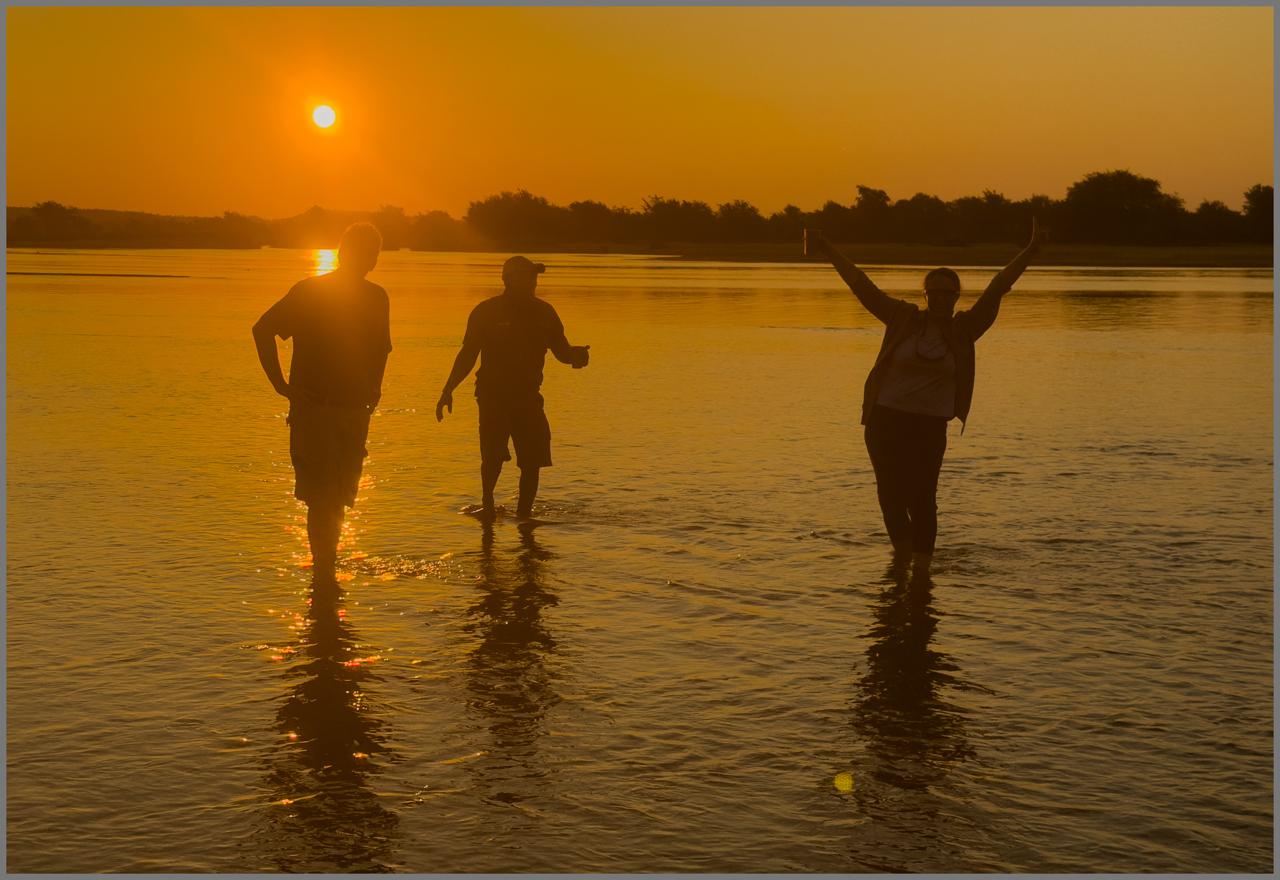 Above: A sundowner stroll to the Limpopo River (Photo credit Steve Woodward)
For guests who enjoy walking, the wider Makuleke region offers something quite special.
Walking changes the way you experience the bush. Suddenly, tracks become clues. Plants become interesting. Birds become easier to notice. You start paying attention to insects, animal movements and the smaller details that can be overlooked from a vehicle.
There is a difference, though, between including the occasional bush walk as part of a traditional game-drive safari and choosing a destination because you genuinely want to spend substantial time exploring on foot.
For the latter, I can highly recommend this area.
It is particularly well suited to travellers who enjoy a more immersive, exploratory experience and who are happy for the wilderness itself to be part of the attraction, rather than measuring a safari purely by the number of big sightings.
Lanner Gorge, Crooks Corner and the Limpopo River
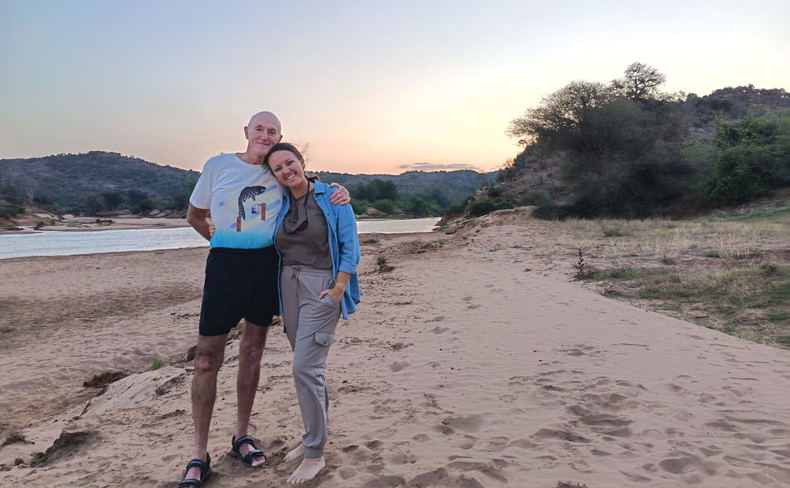
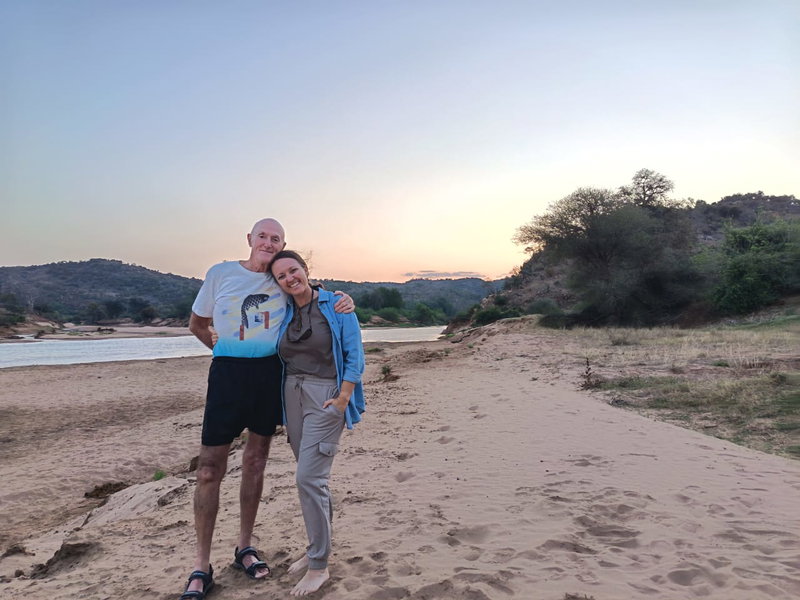
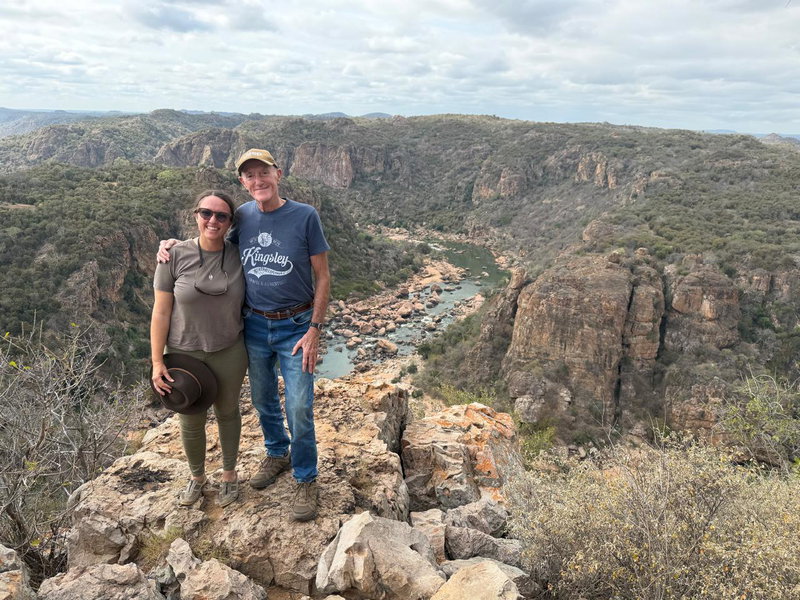
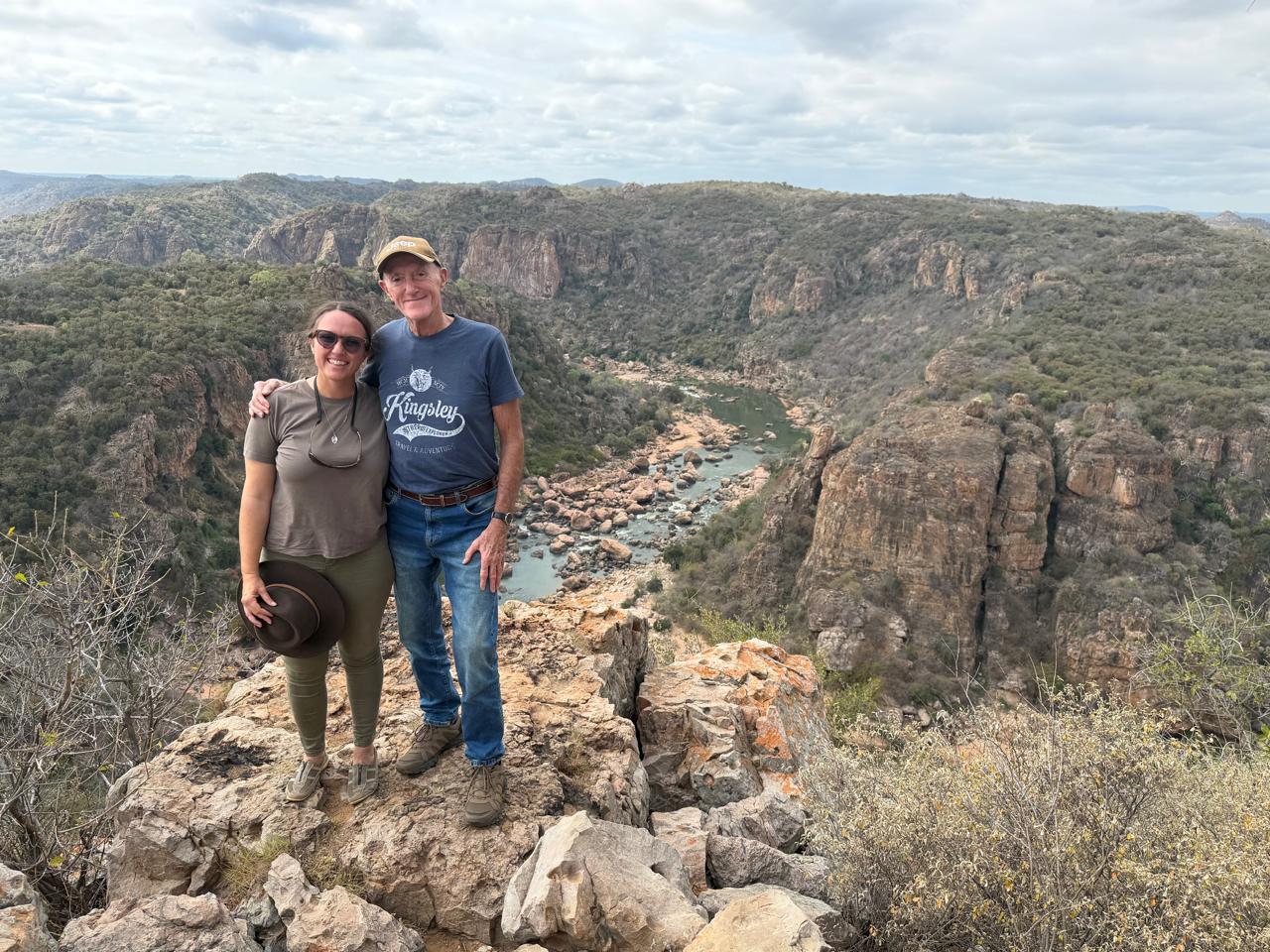 Above: My Dad and I at Lanner Gorge
One of the highlights of our time in the area was exploring Lanner Gorge.
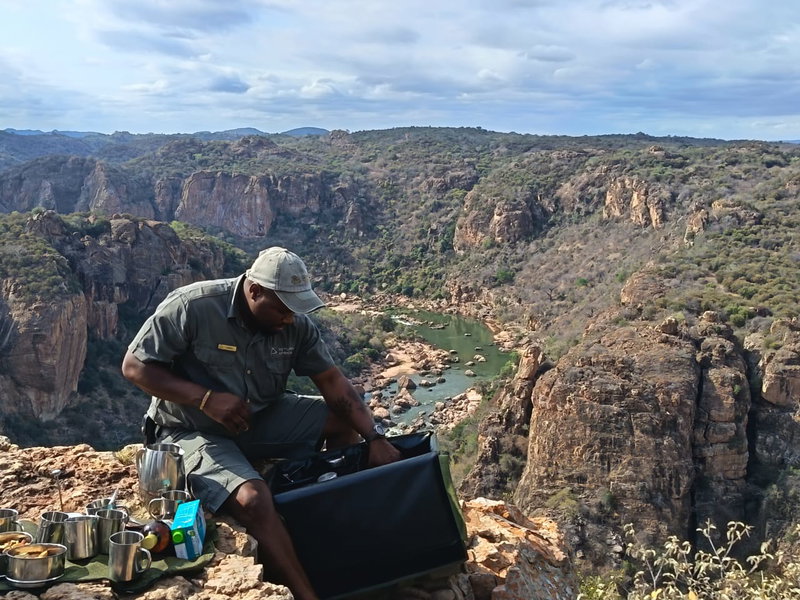
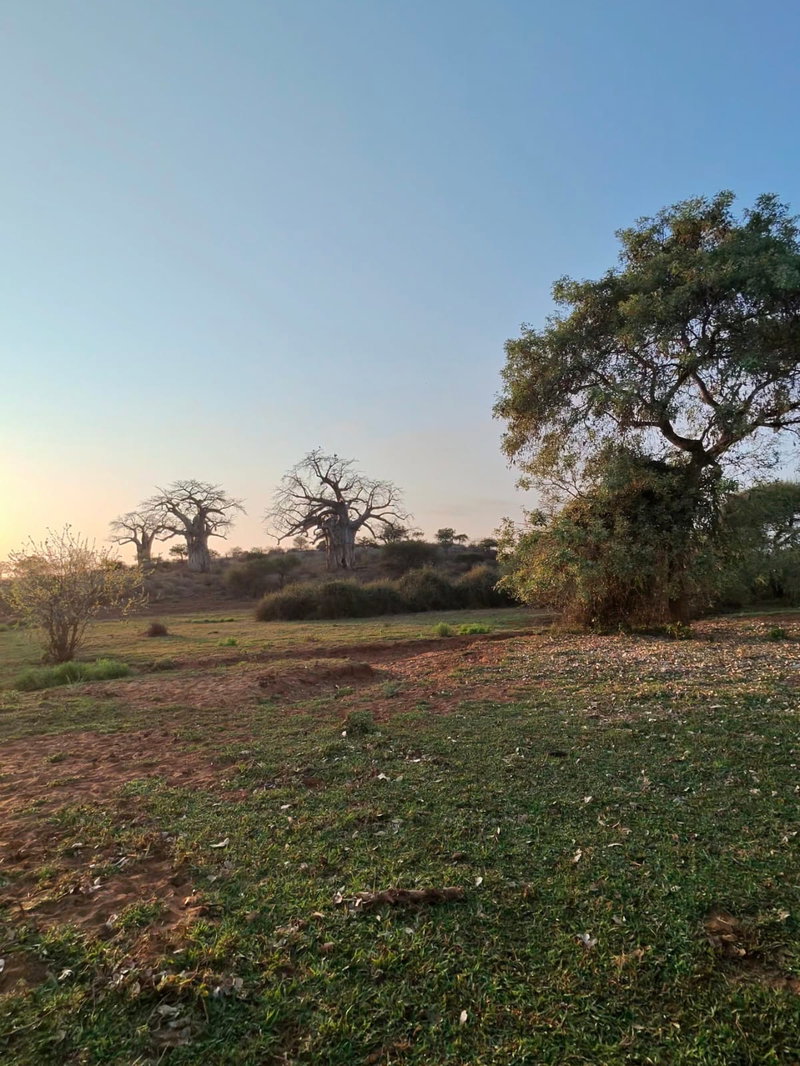
The scenery here is spectacular, with steep cliffs rising around the river and the landscape taking on an entirely different character from the open plains further south.
We walked along the banks of the Great Limpopo River, dipping our feet into the water and quite literally walking in the tracks of giants.
There is something wonderfully grounding about experiencing a landscape like this on foot. You become much more aware of the scale of the gorge, the movement of the river and the traces left behind by the animals that use it.
We also explored the area around Crooks Corner, the famous meeting point of South Africa, Zimbabwe and Mozambique, where the Luvuvhu River meets the larger Limpopo River.
It is a place with an extraordinary sense of geography and history, and one that feels particularly remote despite being within Kruger National Park.
So, would we recommend Pafuri?
Yes, but with a clear understanding of what you are coming for.
I would recommend Return Africa Pafuri Tented Camp for the traveller who wants to experience a quieter, more remote side of Kruger. It is particularly appealing to keen birders, photographers who appreciate landscapes as much as wildlife, walking enthusiasts and anyone who enjoys the feeling of exploring rather than simply moving from one wildlife sighting to the next.
It is also a wonderful option for someone who has already experienced the more traditional safari areas and wants to see another side of Kruger.
If your priority is maximum game density and frequent big-animal sightings, I would look at other areas of the park.
But if you are drawn to wilderness, walking, birding, landscapes and the feeling of having space to explore, Pafuri offers something quite different.
The personal part
For me, this visit will stay with me for reasons that have little to do with the camp itself.
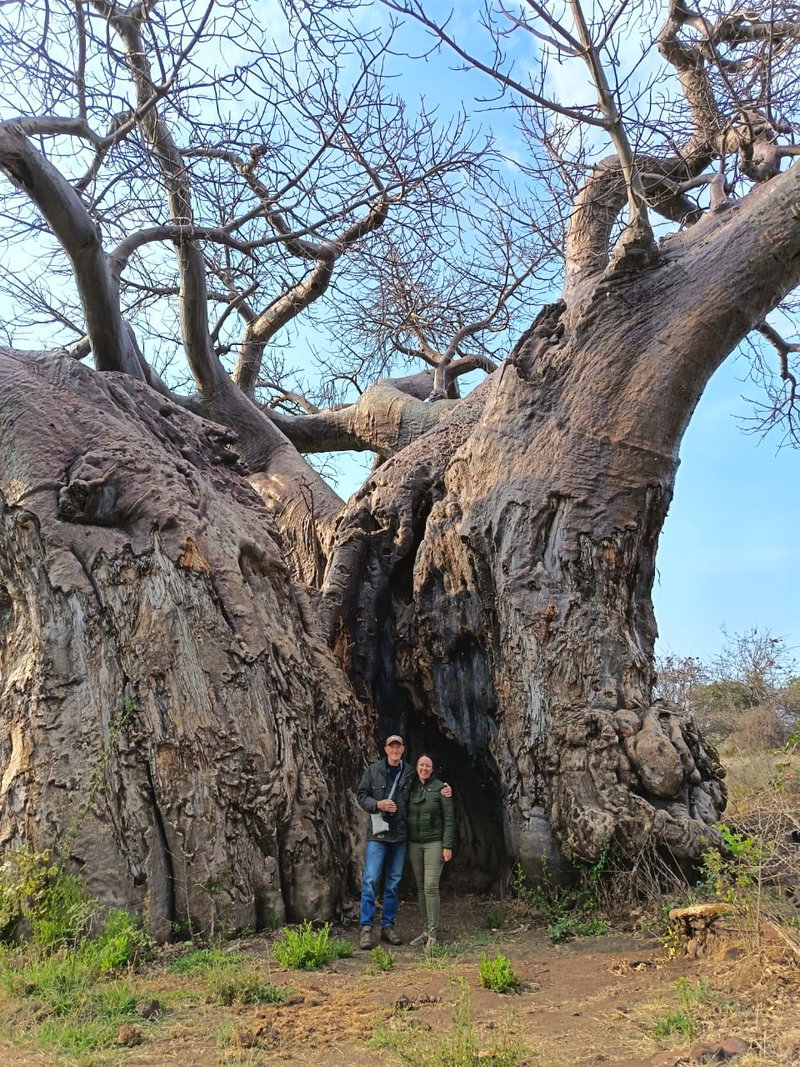
My dad invited me to join him on his holiday, and I feel incredibly fortunate that I was able to say yes. After so many years of working in the bush, it was a gift to step away from the responsibilities of guiding and simply enjoy Africa together as a family
There is something very special about sharing a place that has meant so much to me with the person who first encouraged my love of nature. We walked, watched, listened, laughed, and enjoyed the simple privilege of having time together in the wilderness.
Life moves quickly, and opportunities to slow down and spend uninterrupted time with the people we love are precious. I came home feeling grateful for the time, for the place, and most of all, for my dad.
Not a bad reason to go back to the bush.
Come and Explore a Different Side of Kruger
For travellers drawn to wilderness, walking, birding and landscapes, Pafuri offers a quieter and more exploratory safari experience. If this sounds like your kind of Africa, we’d love to help you discover it.
Further Reading
Behind the Safari: RockFig Safari Lodge Review
Sat May 9, 2026
Read This Article
MalaMala Magic: Our Site Inspection Experience
Tue December 10, 2024
Read This Article
At Hylton Langley Safaris, we are committed to delivering unparalleled wildlife experiences and luxurious comfort for every client. To uphold this standard, Hylton and I regularly visit properties that we believe offer exceptional safari opportunities. Our recent two-night stay at MalaMala Main Camp confirmed why this reserve continues to be one of Africa’s premier safari destinations.
What I Notice From the Front Seat: 20 Years of Watching People Experience Africa
Thu August 27, 2026
Read This Article
When Rita Ora described her recent safari in Kruger with us as the “ultimate reset”, it made me smile. After more than two decades behind the wheel of a safari vehicle, I have watched Africa do this to people time and time again. What fascinates me most is not only what they see in front of them, but what happens behind me...
Share This Post